Writing
What I think, in writing and out loud.
Every month I write in El Economista about what AI is changing in companies. It's the best way to see how I work before we talk. The columns are in Spanish.
Talk · June 2026
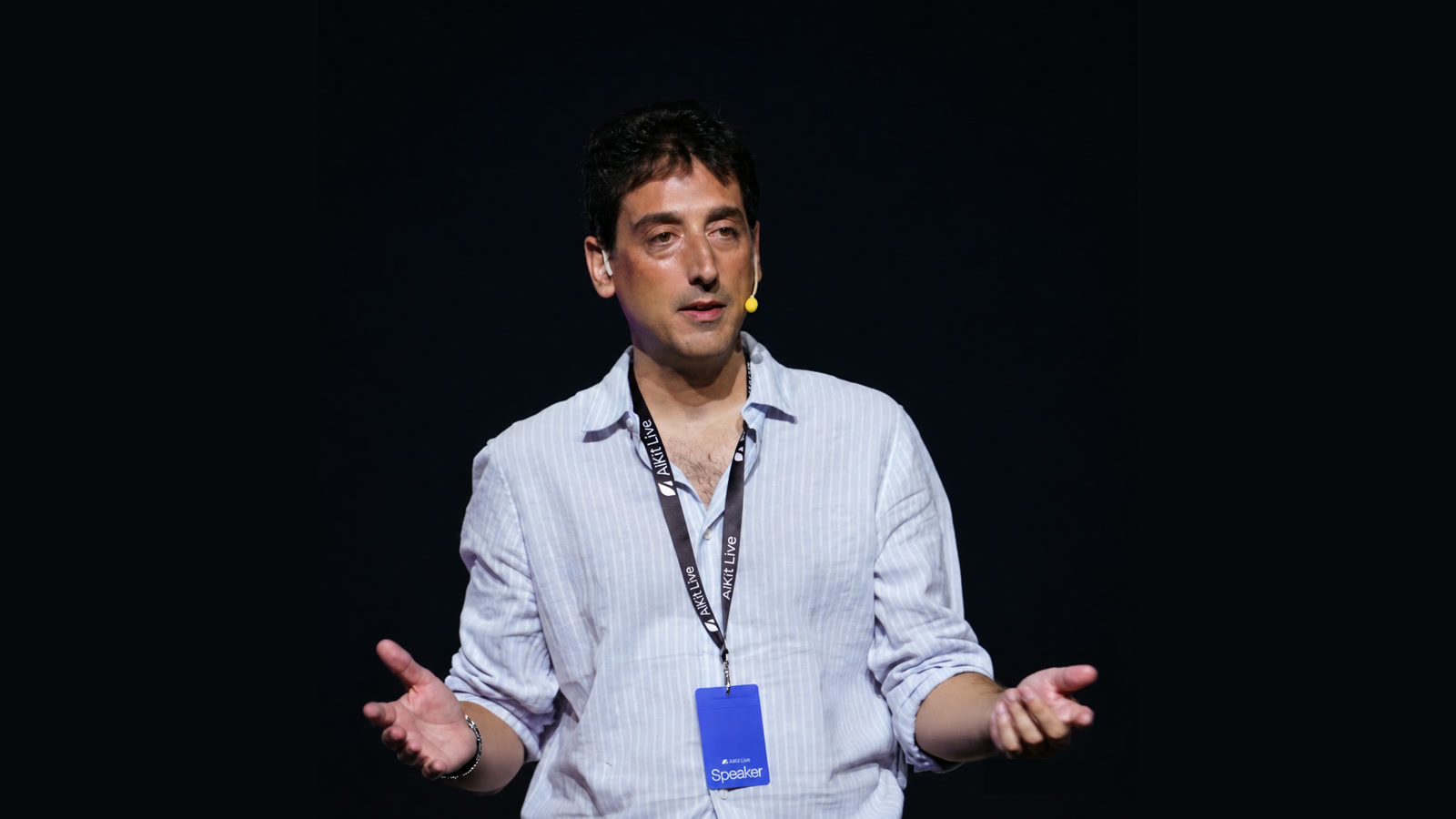
La era de la escasez
Why today's wealth depends on intelligence being scarce, and what to do when it stops being so. In Spanish.
- La empresa que aprendió a dormir
Recording has become almost free, so companies remember far more but know no more. They need a consolidation shift that decides what becomes judgement and what gets discarded.
- La empresa que nadie decidió vaciar
Asking for a human click on every action produces fatigue, not control. Oversight changes jobs: from operating to governing. And without junior work, where will senior judgement come from?
- La edad de la escasez
Wealth is energy times intelligence, and today's wealth depends on intelligence being scarce. That is ending, and so is software designed to be operated by a person.
- El día en que las empresas empezaron a vivir
Companies with their own nervous system, where employees become tutors of the system. Three steps: consolidate the data, connect the present and start teaching.
- Inteligencia sin sistema nervioso
Companies buy powerful brains and wire them to an atrophied nervous system. Their problem is not artificial intelligence. It is plumbing.
- La semana en que la IA dejó de disimular
A week of AI geopolitics, from the Pentagon to helium. Spain has the oil but lacks the pipelines.
- El cursor que nadie usa
A blank chat box is useless if nobody knows what to type. The tools that work do not sell access to a model. They sell context.
- El fin de la burocracia digital
From assistance to delegation: ephemeral software built for one task, with a person in the loop by design.
- La empresa que dejó de olvidar
Companies do not know what they know. A corporate second brain keeps what was learned from depending on who was in the meeting.
- El conocimiento como código
Code as a way to store a company's know-how, so that it grows instead of getting lost.
- El día que vi morir a una empresa
Five lies companies tell themselves about AI, and four pillars to avoid them: culture, processes, data and infrastructure.
- La última frontera humana
Humanoid robots will force us to rediscover what being human means. The future does not need your muscles. It needs meaning.
- El poder de los asistentes
There is no need to wait for the next model: most of the value lies in capabilities that are already mature.
- La llegada de los agentes
When AI moves from assisting to replacing. Three scenarios for companies that have not moved yet.
- ¿Estás preparado para un cambio de 'status quo'?
AI-centred companies versus people-centred ones, and the human role as strategic and ethical guardian.
- El caos de la información y la respuesta humana
Almost all the world's information is unstructured, and for the first time there are agents able to learn from it.
- La paradoja de las curvas exponenciales
Our intuition is linear and AI progress is not. That is why it always arrives sooner than we expect.